In June, I got to be an Artist-in-Residence for the National Park Service. I spent two weeks writing about Craters of the Moon National Monument’s incredible lunar landscapes. This post contains photos of the many caves I explored while writing in the park.
Recently, I got to spend two weeks at Craters of the Moon National Monument as part of the National Park Service’s Artist in Residence (AiR) program. This post contains pictures of the wildflowers and geological features I saw — like spatter cones and cinder gardens — while I was writing in the park.
I have been reading a bunch of books about mushrooms in the Pacific Northwest, and I have found that mushrooms come in literally every color — even teal.
Also, that the most colorful mushrooms are most likely to be poisonous.
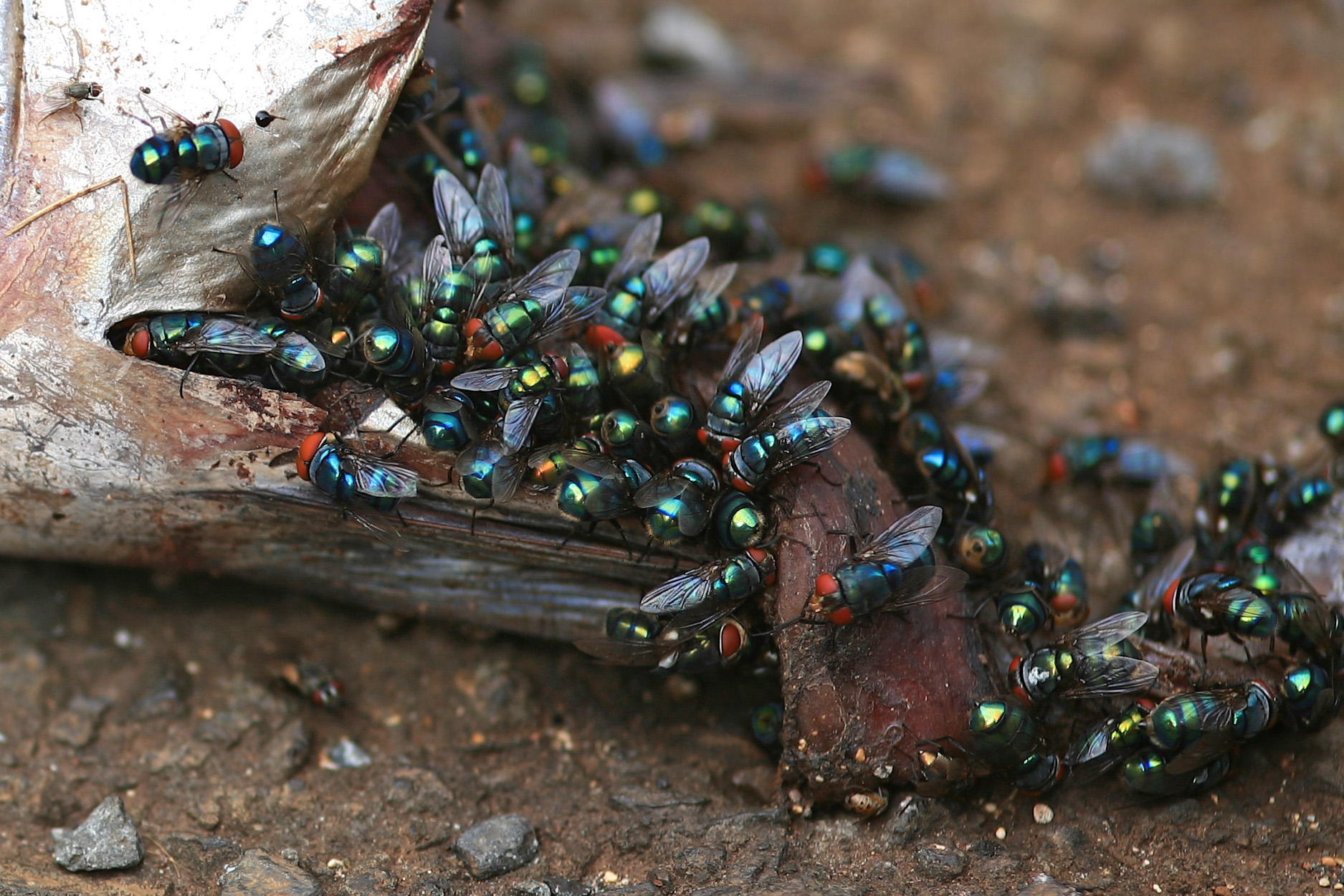
There is a part of me that will always love pests like pigeons or houseflies or starlings. It’s the part of me that thinks the maligned often have their own value, their own stories to tell when we get to know them.
After all, I once was that person. I was teased, as so many kids were teased, as being without value.
So when I see a maligned animal species that people have assigned as being without value (often through very little thought or speculation), I see myself in it.
Besides, there is something respectable, even heroic, in the scrappy survivor.
I love the arid, mountain landscapes of the West. I love the native wildflower and animal species that live in mountain ecosystems. I love the aridity of the desert. I love its total lack of humidity and 100+ degree heat.
But with the aridity of the western landscape comes fire season with its forest fires and wildfires.
Last summer there were forest fires burning in Idaho and two adjoining states at around the same time. The smoke from all of them was blowing down into Boise. For weeks, the city was ensconced in a hazy layer of burning, lung-clogging smoke.
The wildflowers here in the foothills outside Boise have been pretty spectacular this spring.
One of my favorite wildflowers — wild flax — has started blooming:
Wild flax is amazing because it is blue, and I have a perpetual hard on for all blue flowers, like these alpine forget-me-nots. It is also amazing because it is one of many species first described by Meriwether Lewis on the Lewis and Clark Expedition.
The Cabin Idaho asked me to teach a writing camp for kids this summer in conjunction with The Peregrine Fund’s World Center for Birds of Prey. Yesterday afternoon I and two awesome Cabin staff (Katie & Ashley) met with the education coordinator at the center for a tour and planning session.
I mentioned that I found the book A Feathered River Across The Sky about the extinction of the passenger pigeon deeply moving and was planning a writing activity around passenger pigeons and other extinct bird species.
The education coordinator mentioned that though they deal primarily with birds of prey, they had a passenger pigeon in their specimen collection.
Naturally, I got super excited when he mentioned that we also might be able to swing by the specimen collection to view it.
At the beginning of the dream, there were a thousand bikers going up the sides of the heavily-slimed, heavily-trafficked streets of Flagstaff Mountain. Cars were moving as if they were in an artery and were all riding up smoothly like blood.
The whole time everythingwas blue and cold outside like being inside of an iceberg. It wasn’t cold out, but the atmosphere was painted like we were underwater or that everything was breathing in a slightly blue feeling.
The walker always finds solitude, but most especially at night. There is something about walking alone at night. I love it. When you walk at night, you are cocooned in silence. You can be alone, anonymous.
At night, people can’t see you, and you can’t see them. There are no people, and therefore no politeness to people. Politeness is a form of acknowledging you are not alone.
In the dark, we can be easy in ourselves without the expectations of others.You can walk among the houses without walking among them.