
Cave Creek
This week I got to read multidisciplinary poetry about Oregon Caves National Monument as part of Ming Studios 7 o’clock performance series.
Cave Creek
This week I got to read multidisciplinary poetry about Oregon Caves National Monument as part of Ming Studios 7 o’clock performance series.
This summer, I was chosen by the Bureau of Land Management as the 2019 Artist-in-Residence for the Snake River Birds of Prey National Conservation Area (NCA).
The NCA contains the largest concentration of nesting raptors in North America, and one of the largest concentrations of nesting prairie falcons in the world. It also boasts the highest recorded density of ground squirrels, which is why so many raptors nest there.
For the residency, I wrote poetry about the sagebrush steppe ecosystem along the Snake River and the birds of prey that live there.


In May, I got to be an Artist-in-Residence for the National Park Service for the second time. I spent two weeks writing poetry about Oregon Caves National Monument and Preserve’s old-growth forests and stunning cave formations.

The preserve is situated in the Klamath-Siskiyou ecoregion, a world biodiversity hotspot that boasts nearly 70,000 species.
Last month, I got to be an Artist-in-Residence for the National Park Service for the second time. I spent two weeks writing poetry about Oregon Caves National Monument and Preserve’s old-growth forests and stunning cave formations.

The cave at the monument is a type of marble dissolution cave. Acidic rainwater flowed through blue-veined marble to create it.
Last month, I got to help plan and host an Earth Day Poetry Reading as part of the BSU Department of Sustainability’s Earth Week 2019.
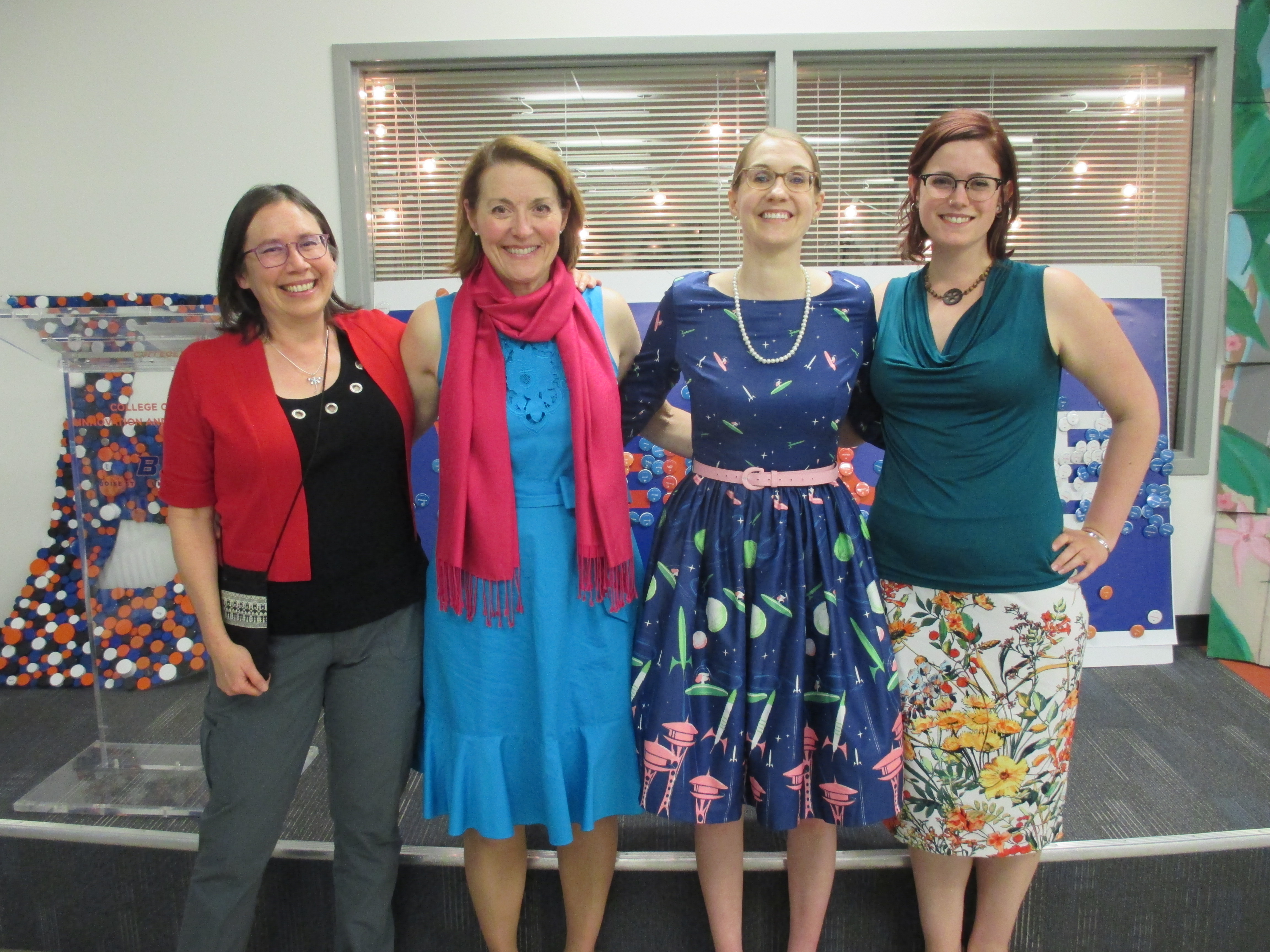
I was joined by Kat Davis, Lisa Hecht, and Pei-Lin Yu in planning and hosting the event.
Recently, I spent a week in Bend, Oregon enjoying the area’s interesting geology. I dug for Oregon Thundereggs, Oregon’s state mineral, at Richardson’s Rock Ranch, and visited Lava River Cave at the Newberry National Volcanic Monument.
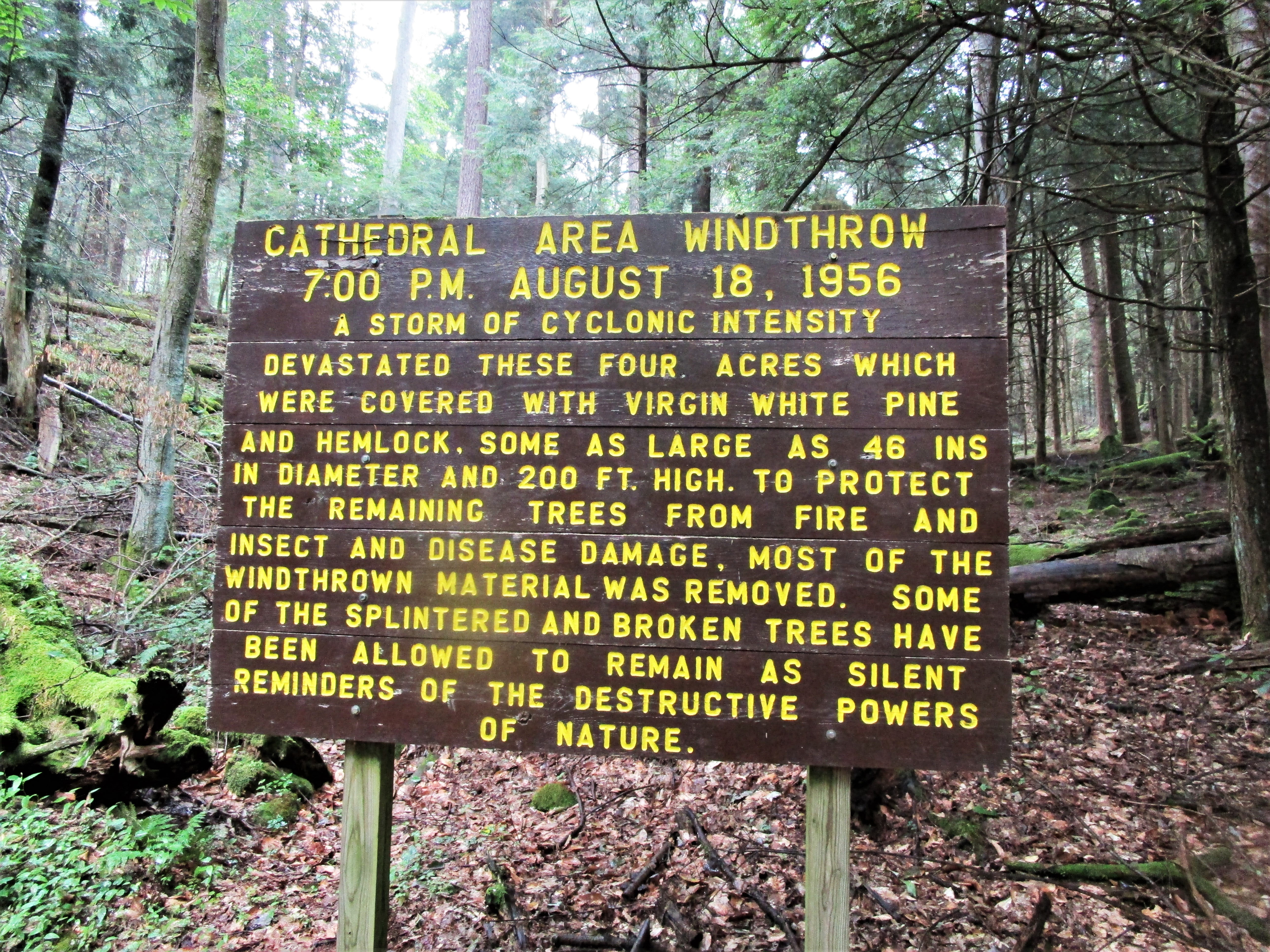
Continue readingThis month, I got to spend a day hiking through some incredible stands of old-growth white pine in Cook Forest State Park in the Forest Cathedral area. This is without a doubt the finest forest in the Midwest.
The largest trees range from 250-450 years old and are upwards of 200 feet tall. These are the tallest trees in the Midwest.

I was in music class once and started crying. I was in a music class in college and the professor played this aria called “Casta Diva” from Bellini’s Norma sung by Maria Callas.
Continue readingI got to curate and be part of an amazing poetry reading this past Saturday: an Earth Day 2018 poetry reading at The Cabin.
It featured nine local poets (Catherine Kyle, Rachel Murphy, Amanda Rich, Hannah Rodabaugh, Ruth Salter, Daphne Stanford, Elena Tomorowitz, and Tessy Ward) and Rena Ashton (educational director of Zoo Boise). They read poetry and essays about nature and conservation.
Last month, I was writer-in-residence at the Bown Crossing branch of the Boise Public Library. I typed poetry onto a sculpture called Vox Poplar (“for the people”) that includes a typewriter and a roll of paper embossed with cottonwood trees.
Continue reading hannahrodabaugh.com